


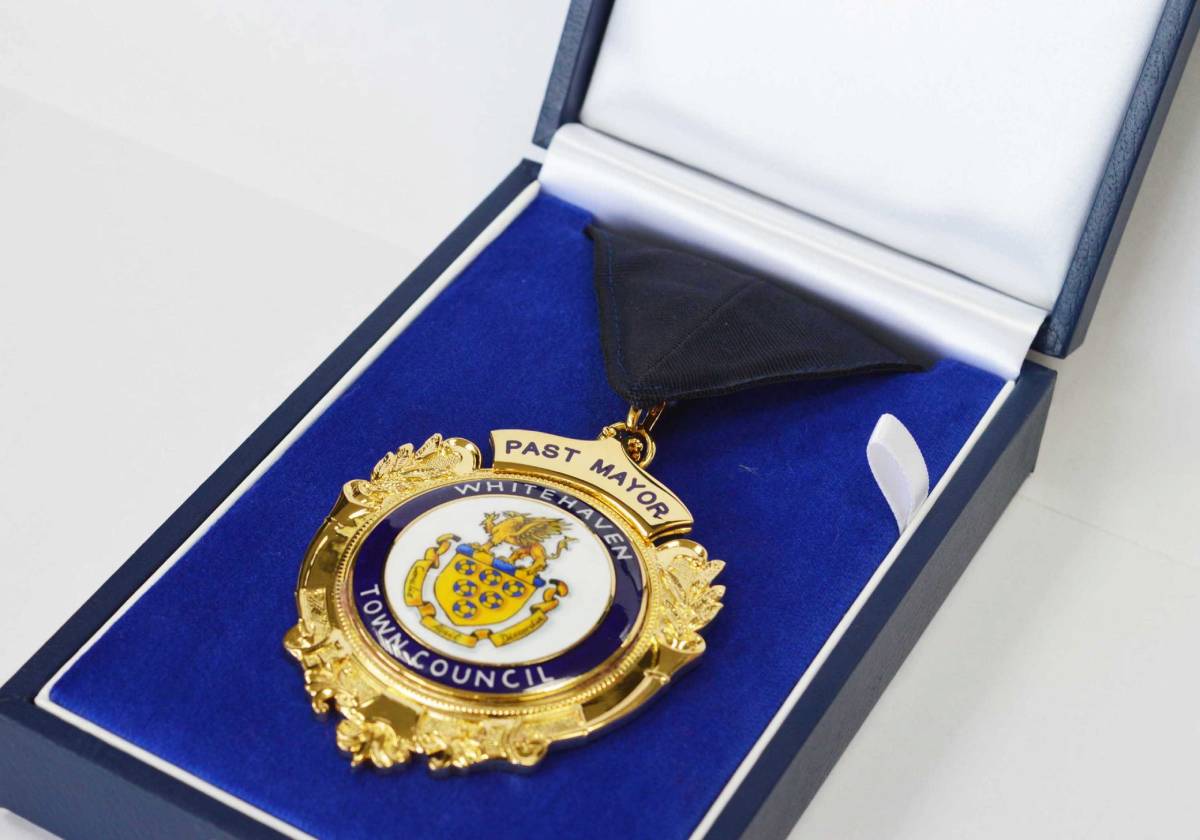

W H Darby Ltd, the Birmingham-based jewellery manufacturer founded in 1886, has been sold out of administration following a transaction secured by Moorfields Advisory, preserving 40 jobs and allowing the business to continue trading.
The development comes amid a rise in UK insolvencies and follows recent failures within the jewellery sector, including Andra Jewels Ltd in Birmingham and Scottish retailer The Ringmaker.
Administration and Sale
Administrators from Moorfields Advisory were appointed by the High Court to manage the affairs of W H Darby, which operates from Birmingham’s Jewellery Quarter. The appointment allowed the company to continue trading while control passed from its directors to the administrators.
According to Moorfields, the business had been trading successfully but was affected by rising supply costs and a slowdown in confirmed orders during 2025, despite a pipeline of potential work. Reduced turnover placed pressure on cashflow and directors sought unsecured funding in an attempt to stabilise the company.
When additional funding could not be secured, advisers explored options including a sale. A buyer was identified for the business and its assets, preserving all 40 roles.
An administrator said: “We explored a number of options in an effort to avoid insolvency. However, with the company unable to source additional funding in its current form, this sale enabled the best result for all stakeholders and ensured all continuity of employment for the workforce and a continuation of customers orders which were in progress.”
Company Background
Established by Alfred Horatio Darby in 1886, the company originally produced medals, badges, die-sinks and metal blocks for jewellery and coin production. It later diversified into sports trophies after the Second World War, expanding its activities through the mid-20th century.
In response to increased overseas competition in the trophies and enamel badge markets, the business refocused on medals and insignia. In 1991, it secured a contract to replace insignia stolen from the Kuwaiti royal family during the First Gulf War.
Today, W H Darby manufactures items for fraternal organisations including the Masons, Oddfellows, Probus and Rotary, as well as chains and badges of office, brooch bars, stick pins, cufflinks and tie slides. The company was acquired in 2005 by Steve and Linda Hobbis, who shifted its emphasis towards bespoke jewellery, medals, insignia and state gifts. They remain listed as owners on the company’s website.
Wider Insolvency Pressures
The sale follows the administration of Andra Jewels Ltd, another Birmingham jewellery business which had traded since 1959. The company entered administration on 12 February after experiencing declining turnover, arrears owed to HM Revenue and Customs, changes to supplier credit terms and volatility in gold and silver prices.
Elsewhere, The Ringmaker, which operated stores in Glasgow and Edinburgh, has entered liquidation after 40 years in business. Parent companies Holkar Ltd and Ninety Four Ltd petitioned Glasgow Sheriff Court to appoint liquidators.
Blair Milne, Restructuring and Insolvency Partner at Azets and Joint Provisional Liquidator, said: “The two companies employed a total of nine people, all of whom have regrettably had to be made redundant, and this process was instigated prior to our appointment.
“We will help employees with their entitlement claims to the Redundancy Payments Service and shall safeguard the assets of the companies while we arrange their sale in an effort to provide a return to the company’s creditors.
“We have returned the majority of jewellery belonging to customers of both businesses and encourage anyone who has any queries relating to this.”
Official Insolvency Service figures show that company administrations rose by 41 per cent between December and January to 151 cases, 14 per cent higher than the same month a year earlier.
Implications for the Trade
The recent cases reflect ongoing pressures affecting jewellery manufacturers and retailers, including rising operating costs, precious metal price volatility and changes to credit terms. Delays in order confirmation and reduced turnover can place strain on cashflow, regardless of a company’s trading history.
The transaction involving W H Darby indicates that specialist manufacturers with established client bases may remain viable acquisition targets. At the same time, the administrations and liquidations in Birmingham and Scotland point to continued financial pressure across parts of the sector, particularly where margins are sensitive to metal price movements and supplier terms.
